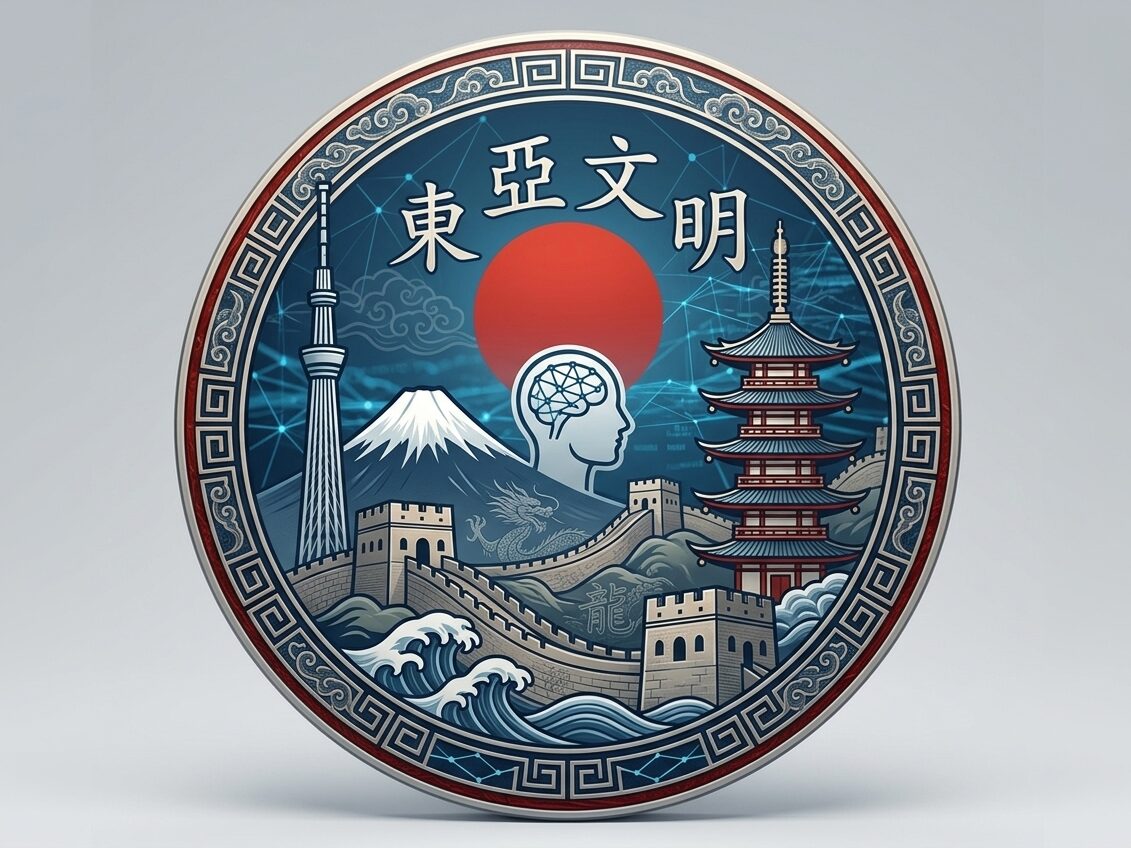
Discover East Asia: A Journey Through China, Japan, and South Korea
East Asia is home to some of the world’s most dynamic cultures, where thousands of years of ancient history coexist with cutting-edge modern lifestyles. Explore the unique traditions, world-renowned cuisines, and core values that define China, Japan, and South Korea.
1. China: The Heartland of Asian Civilization & Technological Leader
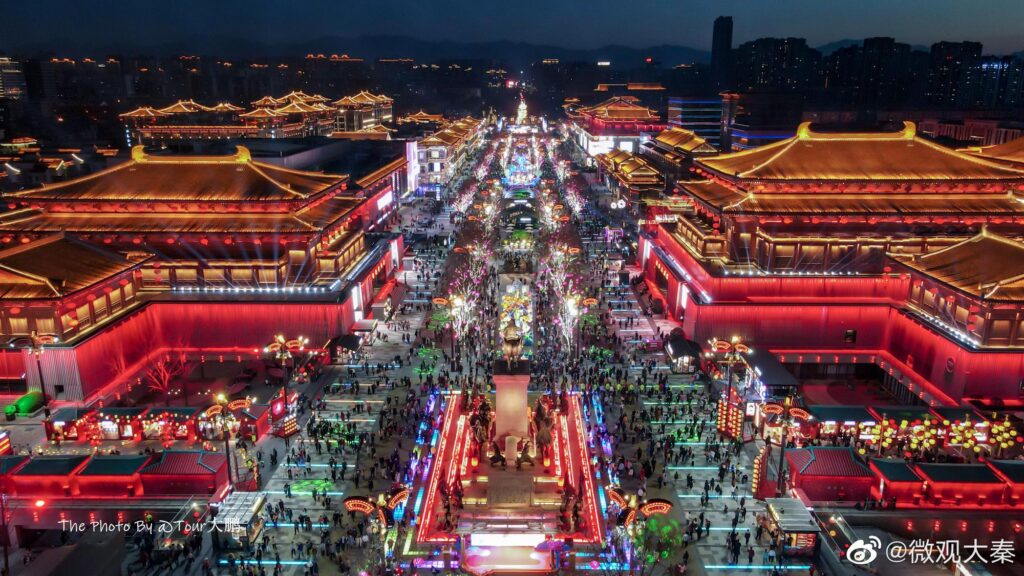
As one of the world’s oldest continuous civilizations, China has historically served as the cultural center of East Asia. Its rich heritage in architecture, gastronomy, clothing, and philosophy has profoundly influenced surrounding nations for centuries.
- Culture & Modern Evolution: Traditional arts such as calligraphy, martial arts (Kung Fu), Peking Opera, and traditional attire (Hanfu) are celebrated alongside China’s rise as a modern powerhouse. Today, as the world’s second-largest economy, China leads the global stage in cutting-edge technology, including Artificial Intelligence (AI), consumer electronics, robotics, and Electric Vehicles (EVs).
- Cuisine: Renowned for its vast regional diversity and rich history, Chinese cuisine features the famous “Eight Great Traditions”—from Peking Duck and Dim Sum to Dumplings and Sichuan Hot Pot.
- Key Values: Filial piety, balance (Yin and Yang), and social harmony.
Women’s Clothing in Various Periods of Chinese History
2. Japan: Harmony of Tradition and Innovation
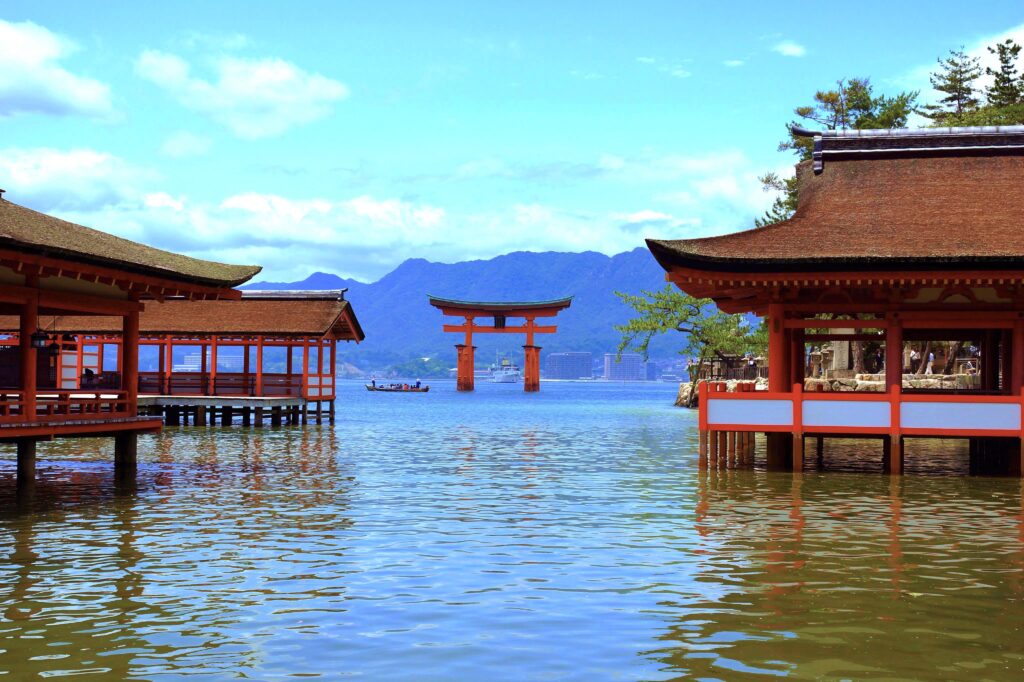
Japan is world-renowned for its unique ability to preserve ancient traditions while leading the world in modern design and modern lifestyle.
- Culture & Lifestyle: Centuries-old practices like the Tea Ceremony (Sado), Ikebana (flower arranging), and seasonal Matsuri (festivals) thrive alongside a globally influential modern pop culture, including anime, gaming, and urban fashion.
- Cuisine: Japanese cuisine (Washoku) emphasizes fresh, seasonal ingredients and refined flavors. Iconic staples include sushi, ramen, tempura, and matcha (green tea).
- Key Values: Politeness, craftsmanship (Monozukuri), and Omotenashi (selfless hospitality).
3. South Korea: Dynamic Blend of Heritage and Global Trends
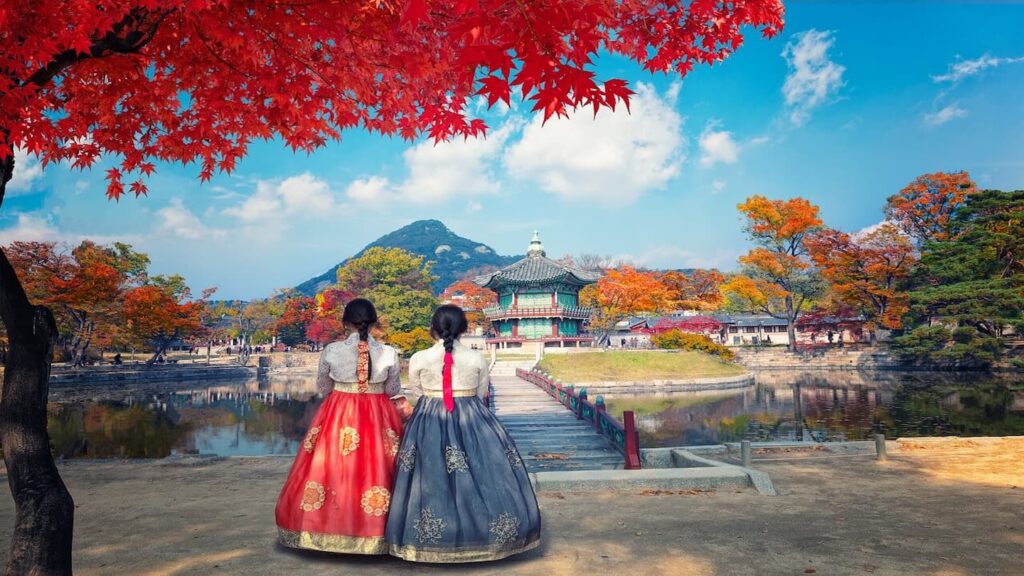
South Korea is a vibrant nation where historic royal traditions seamlessly meet a modern, global cultural wave.
- Culture & Lifestyle: Known worldwide for the Hallyu (Korean Wave), South Korea leads global trends in K-Pop, K-Dramas, and beauty. At the same time, traditional arts like Pansori (narrative music) and historic palaces like Gyeongbokgung remain vital parts of daily life.
- Cuisine: Bold, savory, and fermented flavors define Korean food. Famous dishes include Kimchi, Bulgogi, Bibimbap, and Korean Fried Chicken.
- Key Values: Respect for elders, strong family ties, and Jeong (a deep sense of warmth and affection).